
Home → Areas of Practice → Energy, Infrastructure and Specialist Industries → Renewable Energy
Energy, Infrastructure and Specialist Industries
Renewable Energy: Legal and Regulatory Considerations
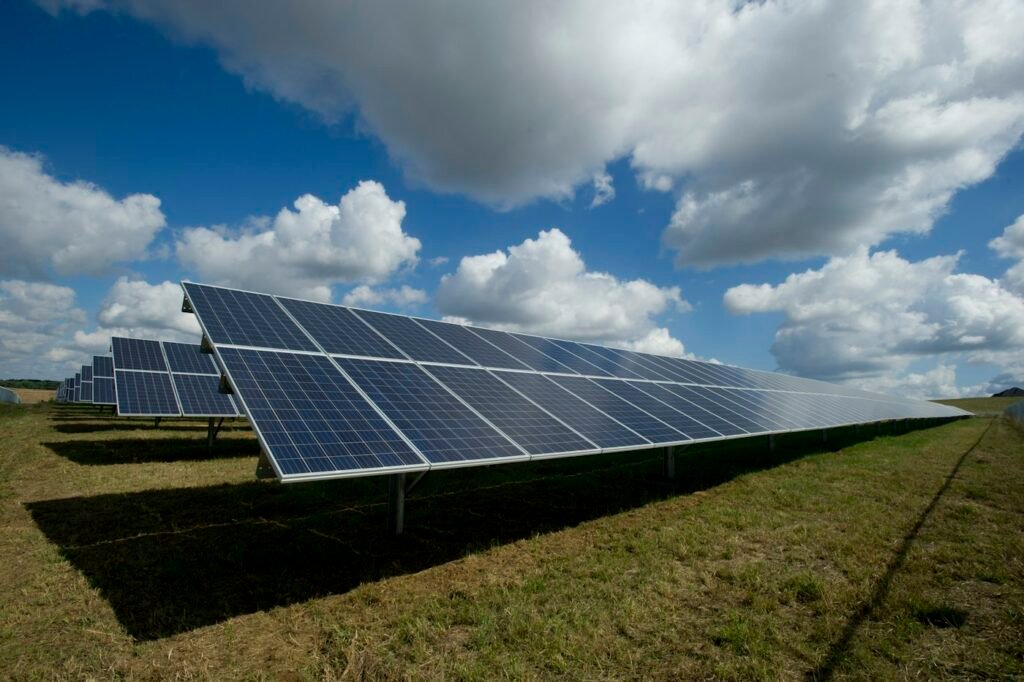
Solar, wind and other renewable energy projects range from rooftop systems on homes and farms to large grid-connected parks. Each involves electricity regulation, land and approvals, and contracts for selling or using the power. This page gives a general overview of the legal framework for renewable energy in India and Maharashtra.
The Regulatory Framework
- Electricity Act, 2003: generation is generally delicensed, while transmission, distribution and trading are regulated. Under Section 86(1)(e), State Electricity Regulatory Commissions promote generation from renewable sources.
- Regulators: the Central Electricity Regulatory Commission (CERC) for inter-State matters, and the Maharashtra Electricity Regulatory Commission (MERC) for matters within Maharashtra.
- Renewable Consumption Obligation: under the Energy Conservation Act, 2001, designated consumers such as distribution companies, open access consumers and captive users must meet a minimum share of renewable energy. The obligation was notified in October 2023 and revised in September 2025.
- Green Energy Open Access Rules, 2022: these lowered the threshold for green energy open access to 100 kW, so that more commercial and industrial consumers can buy renewable power from sources other than their distribution company.
Rooftop and Small-Scale Systems
Homes, housing societies, farms and businesses can install grid-connected rooftop systems under MERC’s regulations on net metering and related arrangements, applied for through the distribution company, which in most of Maharashtra is MSEDCL. Central and State schemes, such as the PM Surya Ghar scheme for residential rooftop solar and PM-KUSUM for agricultural solar pumps and plants, offer subsidies subject to their own eligibility conditions. Disputes over metering, billing or connection go first to the distribution company’s grievance mechanism (see electricity-related legal matters).
Utility-Scale and Commercial Projects
- Power purchase agreements (PPAs) with distribution companies, often awarded through competitive bidding, or with commercial and industrial buyers;
- land: purchase or lease of land, conversion for non-agricultural use where required, and checking title (see land and title matters);
- approvals: grid connectivity, local permissions and, depending on the project, environmental and forest clearances (see environmental compliance);
- project documents: engineering, procurement and construction (EPC) contracts, operation and maintenance contracts and equipment supply agreements;
- financing: loans and security for the project (see project finance).
Disputes and Forums
Tariff and PPA disputes involving generating companies and distribution licensees are generally decided by the appropriate Electricity Regulatory Commission. Appeals lie to the Appellate Tribunal for Electricity (APTEL) within 45 days under Section 111 of the Electricity Act, and from there to the Supreme Court. Contractual disputes with EPC contractors or equipment suppliers may go to arbitration or the commercial courts, depending on the contract (see arbitration and dispute resolution).
Common Issues
- delays in connectivity, net metering approval or commissioning;
- curtailment of power and delayed payments by distribution companies;
- change-in-law claims arising from new taxes or duties;
- land title defects, access disputes and objections from neighbours;
- performance shortfalls and warranty claims against suppliers.
Technical, engineering and financial assessments in this sector are carried out by the relevant specialists. The legal information on this page does not replace them.
Documents That Are Usually Relevant
- PPA, connectivity approvals and correspondence with the distribution company;
- land documents, lease deeds and conversion orders;
- EPC, supply and O&M contracts with warranties;
- subsidy sanction letters and scheme documents;
- electricity bills and meter records.
Please do not send these documents through the website form.
Frequently Asked Questions
Which regulator deals with renewable energy matters in Maharashtra?
The Maharashtra Electricity Regulatory Commission (MERC) for matters within the State, and the Central Electricity Regulatory Commission for inter-State matters.
Can a business buy green power directly?
Under the Green Energy Open Access Rules, 2022, consumers with a connected load of 100 kW or more, subject to the conditions in the rules and State regulations, may procure renewable power through open access.
Where does an appeal against an MERC order go?
To the Appellate Tribunal for Electricity (APTEL), within 45 days under Section 111 of the Electricity Act, 2003. The Tribunal may allow a later appeal for sufficient cause.
Is a licence needed to set up a solar plant?
Generation is generally delicensed under the Electricity Act, but connectivity, land, local and sometimes environmental approvals are still needed, depending on the project.
What if the rooftop subsidy or net metering is delayed?
Grievances are first raised with the distribution company and the scheme authorities. Unresolved grievances may then be taken through the forums available under the Electricity Act and the scheme.
Need Guidance on a Renewable Energy Matter?
If you would like to discuss a renewable energy project, agreement or dispute, you may submit a brief enquiry or call the office. Please share only basic details. The availability and scope of assistance are confirmed after the enquiry is reviewed.
Enquiry
Enquire About Renewable Energy
Share basic details only. Please do not send confidential documents or time-sensitive material through this form. Submitting an enquiry does not by itself create an advocate–client relationship.
- +91 96370 04045
- elitelegalservicesbeed@gmail.com
- Bharat Nagar, Balepir, Nagar Road, Beed 431122, Maharashtra
Related
Related Practice Areas
Oil and Gas, Energy and Infrastructure
Electricity, petroleum and infrastructure matters.
This page provides general information about Indian law for educational purposes. It is not legal advice on any specific matter, does not by itself create an advocate–client relationship, and does not suggest any particular outcome. Laws and procedures change and their application depends on the facts. Please read our Website Disclaimer, or contact the office with a general enquiry.