
Home → Areas of Practice → Energy, Infrastructure and Specialist Industries → Oil and Gas, Energy and Infrastructure
Energy, Infrastructure and Specialist Industries
Oil and Gas, Energy and Infrastructure Matters
Electricity supply, fuel retailing, pipelines, highways and other infrastructure affect businesses, landowners and consumers alike. This page gives a general overview of the legal framework for electricity, petroleum and infrastructure projects, including land acquisition and infrastructure contracts, and the forums that deal with disputes.
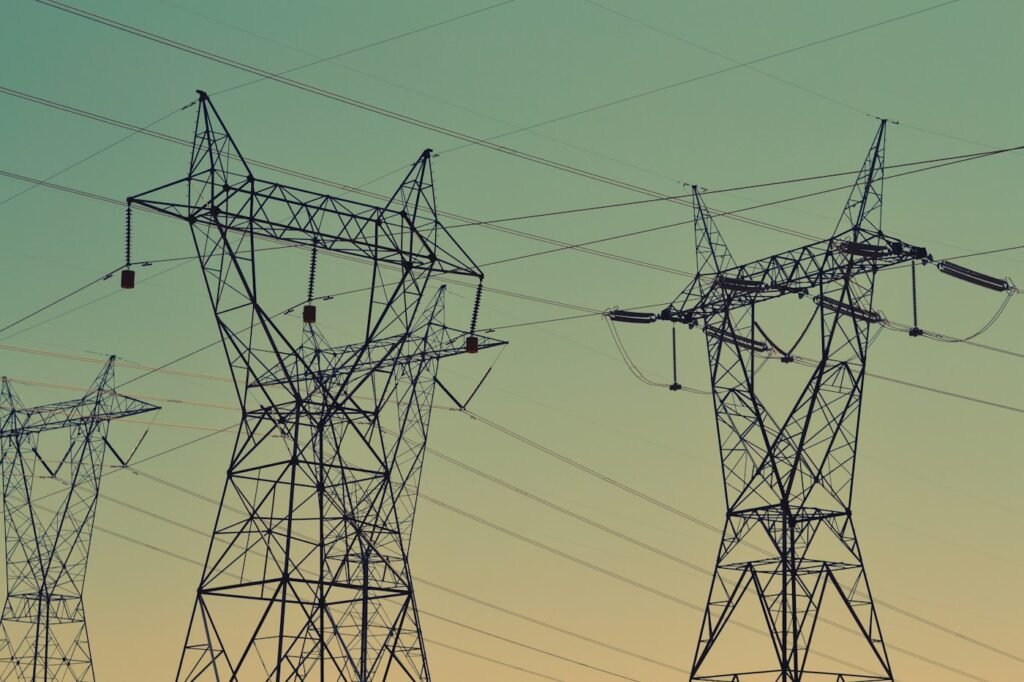
Electricity: Consumers and Utilities
The Electricity Act, 2003 governs generation, transmission, distribution and supply. For consumers, the most common issues are billing, disconnection, new connections and allegations of unauthorised use or theft:
- Billing and supply grievances go first to the distribution licensee’s Consumer Grievance Redressal Forum (Section 42(5)), and then to the Electricity Ombudsman (Section 42(6)), under the MERC regulations.
- Unauthorised use of electricity is assessed under Section 126, with an appeal under Section 127.
- Theft of electricity is an offence under Section 135 and is tried by Special Courts.
Disputes between generators, licensees and regulators go to the Electricity Regulatory Commissions, with appeals to the Appellate Tribunal for Electricity (see renewable energy).
Petroleum and Gas
- Petroleum Act, 1934 and the Petroleum Rules, 2002: licences from the Petroleum and Explosives Safety Organisation (PESO) for storing and handling petroleum products.
- Fuel retail outlets and distributorships: dealership and distributorship agreements with oil marketing companies, and disputes over terminations, audits and compliance.
- Pipelines: the Petroleum and Minerals Pipelines (Acquisition of Right of User in Land) Act, 1962 allows the government to acquire a right of user in land for pipelines, with compensation to landowners.
- City gas distribution and other downstream activities regulated by the Petroleum and Natural Gas Regulatory Board under the PNGRB Act, 2006.
- Upstream exploration: the Oilfields (Regulation and Development) Act, 1948, amended in 2025 to introduce petroleum leases and civil penalties.
Land Acquisition for Projects
Land for public purposes and infrastructure is acquired mainly under the Right to Fair Compensation and Transparency in Land Acquisition, Rehabilitation and Resettlement Act, 2013 (RFCTLARR Act). The Act provides for social impact assessment, compensation based on market value with multipliers and solatium, and rehabilitation and resettlement. Some sector laws, such as the National Highways Act, 1956, have their own acquisition procedure, and compensation under them is aligned with the RFCTLARR Act’s provisions. Maharashtra has made State amendments to the Act, and the procedure applicable to a particular project should be checked.
Landowners commonly raise issues about the market value adopted, the classification of land, compensation for structures and trees, and apportionment between claimants. Objections and references are subject to time limits under the applicable law (see real estate and land records and litigation).
Infrastructure Contracts and PPPs
Infrastructure projects are delivered through EPC contracts, item-rate and lump-sum works contracts, and public-private partnership (PPP) concession agreements, such as hybrid annuity and build-operate-transfer models. Common contractual issues include delays and extensions of time, escalation, variations, change in law, termination payments and performance guarantees (see commercial agreements and project finance).
Under Sections 20A and 20B of the Specific Relief Act, 1963 (inserted in 2018), courts are not to grant injunctions that would impede or delay infrastructure projects listed in the Schedule, and special courts are designated to try such suits. Many infrastructure contracts provide for arbitration under the Arbitration and Conciliation Act, 1996 (see infrastructure arbitration proceedings).
Common Issues
- electricity bills, assessments and disconnection notices;
- termination of fuel dealership or gas distributorship agreements;
- compensation for land acquired for highways, pipelines or transmission lines;
- contractor claims for delay, escalation and unpaid bills;
- invocation of bank guarantees and blacklisting by public authorities.
Technical, engineering and financial assessments in this sector are carried out by the relevant specialists. The legal information on this page does not replace them.
Documents That Are Usually Relevant
- electricity bills, assessment orders and correspondence with the distribution company;
- dealership or distributorship agreements and notices;
- acquisition notifications, awards and land records;
- contracts, work orders, bills, measurement records and correspondence;
- bank guarantees and notices of invocation.
Please do not send these documents through the website form.
Frequently Asked Questions
Where should an electricity billing complaint be taken?
First to the distribution licensee and its Consumer Grievance Redressal Forum under Section 42(5) of the Electricity Act, and then, if unresolved, to the Electricity Ombudsman under Section 42(6).
Can compensation for land acquired for a highway be challenged?
The applicable law provides procedures to object to or seek enhancement of compensation, subject to time limits. The route depends on whether the acquisition is under the RFCTLARR Act or a sector law such as the National Highways Act.
Can a court stop an infrastructure project by injunction?
Section 20A of the Specific Relief Act restricts injunctions that would impede or delay infrastructure projects listed in its Schedule. Other remedies, such as damages, may remain available.
Which licence is needed to store petroleum products?
Storage and handling of petroleum above specified quantities requires a licence under the Petroleum Act, 1934 and the Petroleum Rules, 2002, issued by the Petroleum and Explosives Safety Organisation.
How are disputes under infrastructure contracts usually resolved?
Many contracts provide for dispute boards, conciliation or arbitration under the Arbitration and Conciliation Act, 1996. The applicable route depends on the contract terms.
Need Guidance on an Energy or Infrastructure Matter?
If you would like to discuss an electricity, petroleum, land acquisition or infrastructure matter, you may submit a brief enquiry or call the office. Please share only basic details. The availability and scope of assistance are confirmed after the enquiry is reviewed.
Enquiry
Enquire About Energy and Infrastructure
Share basic details only. Please do not send confidential documents or time-sensitive material through this form. Submitting an enquiry does not by itself create an advocate–client relationship.
- +91 96370 04045
- elitelegalservicesbeed@gmail.com
- Bharat Nagar, Balepir, Nagar Road, Beed 431122, Maharashtra
Related
Related Practice Areas
This page provides general information about Indian law for educational purposes. It is not legal advice on any specific matter, does not by itself create an advocate–client relationship, and does not suggest any particular outcome. Laws and procedures change and their application depends on the facts. Please read our Website Disclaimer, or contact the office with a general enquiry.