
Home → Areas of Practice → Motor Accident Claim Tribunal & Insurance Work → Injury Claim
Motor Accident Claim Tribunal & Insurance Work
Injury Claims in Road Accidents
A person injured in a road accident may claim compensation for medical treatment, lost income and the effect of the injuries on their life. This page explains, in general terms, how injury claims are made before the Motor Accident Claims Tribunal and what evidence usually matters.
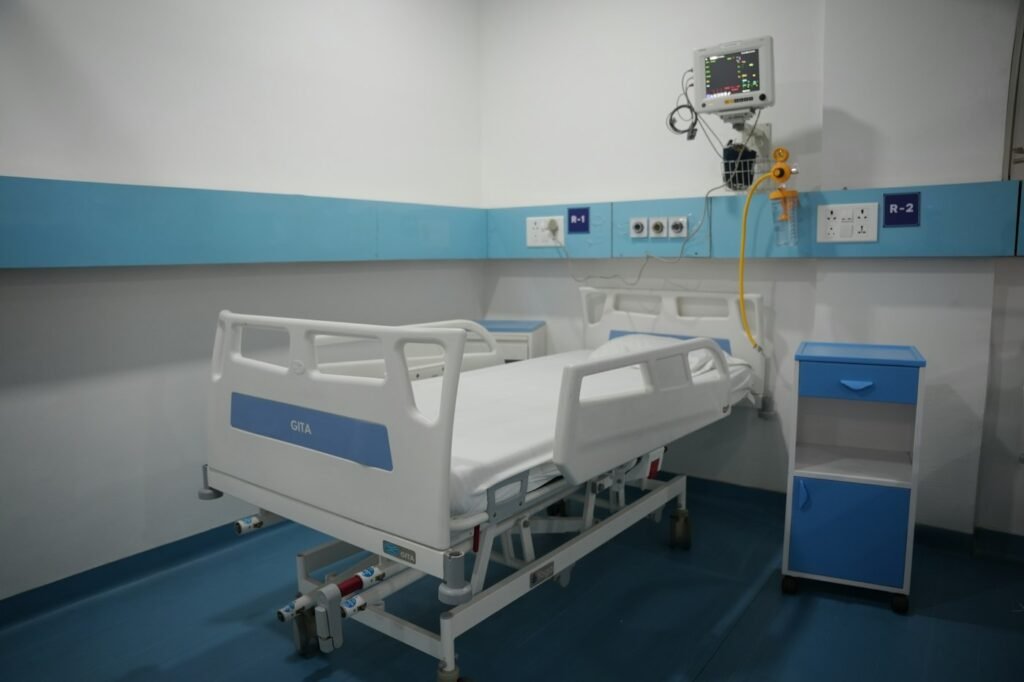
What an Injury Claim Covers
An injury claim is made under Section 166 of the Motor Vehicles Act, 1988 by the injured person (or, for a minor, through a guardian) against the owner, driver and insurer of the vehicle at fault. It is one type of motor accident compensation claim. Where the injuries leave lasting impairment, see also disability-related claims.
Injuries suffered as a passenger in a train accident or an untoward incident on the railways are not claimed under the Motor Vehicles Act. They are claimed before the Railway Claims Tribunal (see railway passenger injury claims).
Where fault cannot easily be proved, Section 164 offers fixed compensation of ₹2.5 lakh for grievous hurt without proof of negligence. Accepting it, however, causes a Section 166 claim to lapse.
Heads of Compensation in Injury Cases
- Medical expenses: hospitalisation, surgery, medicines, physiotherapy and follow-up treatment;
- Future medical expenses: where further surgery or long-term treatment is reasonably expected;
- Loss of earnings: income lost during treatment and recovery;
- Attendant and transport charges, and special diet where medically advised;
- Pain and suffering, and loss of amenities of life;
- Loss of future earning capacity, where the injuries affect the person’s ability to work.
The Tribunal assesses each head on the evidence. Bills, prescriptions and medical testimony carry considerable weight.
Medical Treatment and the Cashless Scheme
The first priority is treatment. Under the Cashless Treatment of Road Accident Victims Scheme, 2025, accident victims are entitled to cashless treatment of up to ₹1.5 lakh per person for up to seven days from the accident at designated hospitals, with stabilisation treatment at other hospitals. Keeping all medical records from the very first hospital visit helps later in proving the injuries and their treatment.
How an Injury Claim Usually Proceeds
- Report and petition: the police forward the accident report to the Tribunal, which treats it as a claim (Section 166(4)), and the injured person may also file a petition with supporting documents.
- Notice: the owner, driver and insurer are served and file their replies.
- Evidence: the claimant proves the accident, the injuries, expenses and income, usually through documents and the evidence of doctors.
- Settlement or award: the matter may be settled with the insurer, including in a Lok Adalat, or decided by an award with interest.
On the time limit under Section 166(3) and the Supreme Court’s interim order, see our motor accident compensation overview.
Grievous Hurt
Some fixed-amount schemes use the term “grievous hurt”, which is defined in Section 116 of the Bharatiya Nyaya Sanhita, 2023 (formerly Section 320 IPC). It includes fractures, permanent loss of sight or hearing, loss or impairment of a limb or joint, and hurt causing severe bodily pain or inability to follow ordinary pursuits for fifteen days. Whether an injury qualifies depends on the medical evidence.
Criminal Case against the Driver
A rash or negligent driving case against the driver, for example under Sections 281 and 125 of the Bharatiya Nyaya Sanhita, is separate from the compensation claim. The outcome of the criminal case does not decide the claim, although documents from it, such as the FIR and charge sheet, are often used as evidence. See criminal trials for how criminal cases proceed.
Documents That Are Usually Relevant
- FIR and accident report;
- medical records, X-rays and scans, discharge summaries, and all bills and receipts;
- disability or fitness certificates, where applicable;
- proof of income, such as salary slips, income-tax returns or business records;
- proof of age and identity;
- vehicle and insurance details, where available.
Please do not send these documents through the website form.
Frequently Asked Questions
Can I claim future medical expenses?
Yes, where further treatment is reasonably expected and supported by medical evidence, the Tribunal may award an amount for future medical expenses.
What if I was a passenger in the vehicle at fault?
A passenger may claim against the owner, driver and insurer of the vehicle in which they were travelling, and, where another vehicle was also at fault, against that vehicle’s owner and insurer as well. Coverage depends on the type of vehicle and policy.
Do I need to wait for the criminal case to end?
No. The compensation claim before the Tribunal proceeds independently of the criminal case against the driver.
Can I settle the claim with the insurance company?
Yes. Many claims are settled with the insurer before the Tribunal or in a Lok Adalat. A settlement should be considered carefully, since it usually ends the claim.
What is the fixed compensation for grievous hurt?
Section 164 provides ₹2.5 lakh for grievous hurt without proof of fault. In hit-and-run cases, the scheme under Section 161 provides ₹50,000 for grievous hurt.
Need Guidance on an Injury Claim?
If you would like to discuss a road accident injury claim, you may submit a brief enquiry or call the office. Please share only basic details. The availability and scope of assistance are confirmed after the enquiry is reviewed.
Enquiry
Enquire About an Injury Claim
Share basic details only. Please do not send confidential documents or time-sensitive material through this form. Submitting an enquiry does not by itself create an advocate–client relationship.
- +91 96370 04045
- elitelegalservicesbeed@gmail.com
- Bharat Nagar, Balepir, Nagar Road, Beed 431122, Maharashtra
Related
Related Practice Areas
This page provides general information about Indian law for educational purposes. It is not legal advice on any specific matter, does not by itself create an advocate–client relationship, and does not suggest any particular outcome. Laws and procedures change and their application depends on the facts. Please read our Website Disclaimer, or contact the office with a general enquiry.