
Home → Areas of Practice → Motor Accident Claim Tribunal & Insurance Work → Compensation
Motor Accident Claim Tribunal & Insurance Work
Motor Accident Compensation Claims
People injured in road accidents, and the families of those who die, may claim compensation before the Motor Accident Claims Tribunal under the Motor Vehicles Act, 1988. This page explains, in general terms, who can claim, where and how a claim is made, and the main heads of compensation.
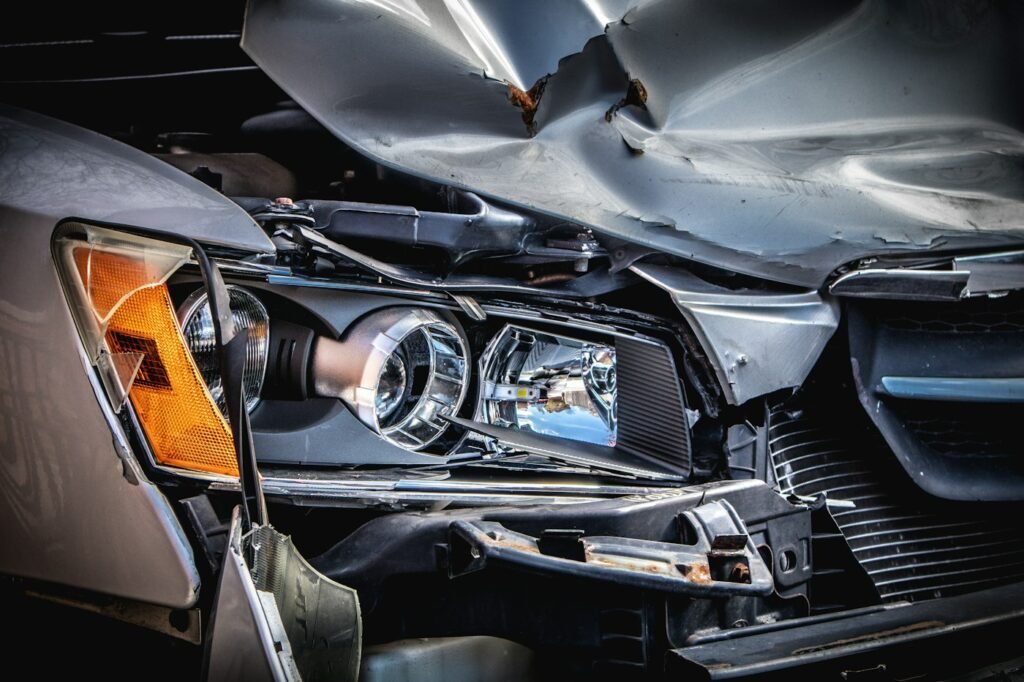
The Legal Framework
Compensation for motor accidents is governed mainly by Chapters XI and XII of the Motor Vehicles Act, 1988, as amended by the Motor Vehicles (Amendment) Act, 2019. Many of these amendments took effect on 1 April 2022. Claims are decided by Motor Accident Claims Tribunals constituted by the State Government under Section 165. The owner and driver of the vehicle at fault are liable, and the insurer must satisfy awards covered by the compulsory third-party policy required under Section 146.
This page is an overview. Specific types of claim are explained on separate pages: injury compensation claims, death claim compensation and disability-related claims.
Accidents involving trains are not dealt with by the Motor Accident Claims Tribunal. Claims for the death of or injury to railway passengers are made before the Railway Claims Tribunal under a separate law (see railway accident compensation claims).
Who May Claim and Where
Under Section 166(1), a claim may be made by the injured person, the owner of damaged property, the legal representatives of a person who died, or an agent authorised by them. Under Section 166(2), it may be filed before the Tribunal for the area where the accident occurred, where the claimant resides or carries on business, or where the defendant resides.
Under Section 166(4), the Tribunal treats the accident report forwarded by the police as an application for compensation. The rules require the police to prepare a detailed accident report and send it to the Tribunal, so a claim can proceed even before the family files its own petition. Claimants may still file a petition and should make sure their details and documents reach the Tribunal.
Time limit: Section 166(3), in force from 1 April 2022, requires a claim to be filed within six months of the accident. Its validity has been challenged before the Supreme Court in Bhagirathi Dash v. Union of India. By an interim order of November 2025, the Court directed that claim petitions should not be dismissed as time-barred while the challenge is pending. Because this position may change, a claim should be filed without delay, and the current status should be checked at the time.
Routes to Compensation
- Fault-based claim (Section 166): compensation assessed on the actual loss, where negligence of the driver is established.
- Fixed compensation without proof of fault (Section 164): ₹5 lakh for death and ₹2.5 lakh for grievous hurt. Under the proviso to Section 165(1), if a claimant accepts payment under Section 164, the claim under Section 166 lapses, so the choice should be made carefully.
- Hit-and-run accidents (Section 161): where the vehicle cannot be traced, compensation of ₹2 lakh for death and ₹50,000 for grievous hurt is available under the Compensation to Victims of Hit and Run Motor Accidents Scheme, 2022, through the Claims Enquiry Officer.
- Accidents at work: where the victim was an employee injured in the course of employment, Section 167 allows a claim under either the Motor Vehicles Act or the employees’ compensation provisions, but not both (see workmen compensation matters).
Heads of Compensation
In a fault-based claim, the Tribunal awards “just compensation”. This generally includes:
- Pecuniary losses: medical and hospital expenses, transport, attendant charges, loss of earnings during treatment, future loss of earnings, and loss of dependency in death cases;
- Non-pecuniary losses: pain and suffering, loss of amenities of life, loss of expectation of life and, in death cases, loss of consortium, loss of estate and funeral expenses.
The Supreme Court has laid down methods for calculating some of these heads, including in Sarla Verma v. DTC (2009) and National Insurance Co. v. Pranay Sethi (2017). The actual amount depends on the evidence of age, income and loss in each case, so no figure can be predicted in advance.
The Insurer's Role and Defences
The insurer of the offending vehicle is usually the main respondent. Section 150 allows the insurer to raise only limited defences, such as use of the vehicle outside the terms of the policy (for example, without a valid driving licence or permit) or non-receipt of premium. In appropriate cases, courts have directed the insurer to pay the claimant first and recover the amount from the owner (“pay and recover”). Insurers may also propose settlements, and many claims are settled before the Tribunal or in Lok Adalats.
Disputes with an insurer about one’s own policy, such as an own-damage or health claim, are different. They are covered on our insurance claim disputes page.
Immediate Steps after an Accident
- Arrange medical treatment. Under the Cashless Treatment of Road Accident Victims Scheme, 2025, victims are entitled to cashless treatment of up to ₹1.5 lakh per person for up to seven days from the accident at designated hospitals.
- Ensure that the accident is reported to the police and that an FIR or report is recorded.
- Keep all medical papers, bills and discharge summaries.
- Note the vehicle number and insurance details, where available.
A person who helps an accident victim in good faith is protected as a “Good Samaritan” under Section 134A. Criminal proceedings against the driver are separate from the compensation claim (see criminal trials).
Appeals
An appeal against an award of the Claims Tribunal lies to the High Court under Section 173. The Act sets conditions for appeals, including a deposit by the person required to pay the award, so the time limit and conditions should be checked promptly after the award.
Documents That Are Usually Relevant
- FIR, panchnama, and accident or detailed accident report;
- medical records, bills, discharge summaries and, where applicable, post-mortem report;
- proof of age and income of the injured or deceased person;
- vehicle registration, insurance policy and driving licence details, where available;
- identity and relationship documents of the claimants.
Please do not send these documents through the website form.
Frequently Asked Questions
Is there a time limit for filing a motor accident claim?
Section 166(3) provides six months from the accident. Its validity is being examined by the Supreme Court, which directed in November 2025 that claims should not be dismissed as time-barred while the case is pending. Claims should still be filed without delay.
Can compensation be claimed without proving negligence?
Yes. Section 164 provides fixed compensation of ₹5 lakh for death and ₹2.5 lakh for grievous hurt without proof of fault. Accepting this payment causes a claim under Section 166 to lapse.
What if the vehicle that caused the accident is not traced?
In hit-and-run cases, compensation of ₹2 lakh for death and ₹50,000 for grievous hurt is available under the hit-and-run scheme, through the Claims Enquiry Officer of the area.
Is the insurance company liable if the driver had no licence?
The insurer may raise this as a defence under Section 150. Depending on the facts, the Tribunal may exonerate the insurer or direct it to pay the claimant and recover the amount from the owner.
How much compensation will be awarded?
It depends on the evidence of age, income, injuries or dependency and the methods laid down by the courts. No particular amount can be promised in advance.
Need Guidance on a Motor Accident Claim?
If you would like to discuss a motor accident compensation claim, you may submit a brief enquiry or call the office. Please share only basic details. The availability and scope of assistance are confirmed after the enquiry is reviewed.
Enquiry
Enquire About a Motor Accident Claim
Share basic details only. Please do not send confidential documents or time-sensitive material through this form. Submitting an enquiry does not by itself create an advocate–client relationship.
- +91 96370 04045
- elitelegalservicesbeed@gmail.com
- Bharat Nagar, Balepir, Nagar Road, Beed 431122, Maharashtra
Related
Related Practice Areas
This page provides general information about Indian law for educational purposes. It is not legal advice on any specific matter, does not by itself create an advocate–client relationship, and does not suggest any particular outcome. Laws and procedures change and their application depends on the facts. Please read our Website Disclaimer, or contact the office with a general enquiry.