
Home → Areas of Practice → Technology and Intellectual Property → Technology, Media and Telecommunications
Technology and Intellectual Property
Technology, Media and Telecommunications Law
Telecom services, broadcasting, publishing, films and digital media are each governed by their own laws and regulators. This page gives a general overview of the main legal frameworks for technology, media and telecommunications in India, and the kinds of regulatory and contractual questions that commonly arise.
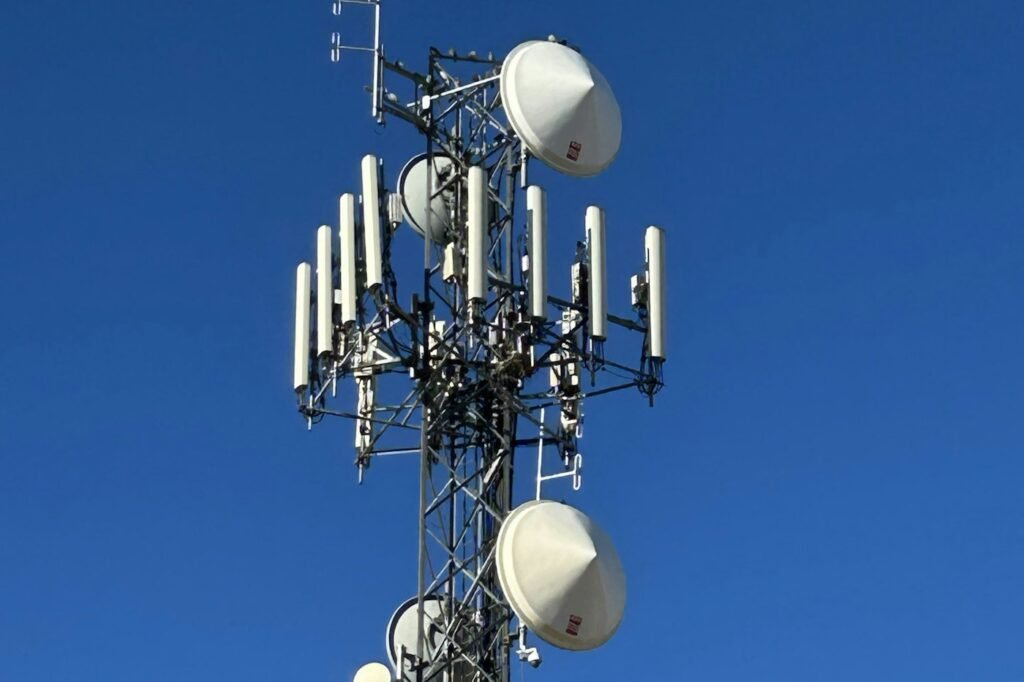
Telecommunications
The Telecommunications Act, 2023 is replacing the Indian Telegraph Act, 1885 and the Indian Wireless Telegraphy Act, 1933. Its provisions are being brought into force in phases, beginning with key sections from 26 June 2024, while existing rules continue until replaced. The Act deals with authorisation of telecom services and networks, spectrum assignment, right of way for telecom infrastructure and user protection. Which provisions and rules apply to a particular question depends on the current notifications.
The Telecom Regulatory Authority of India (TRAI) regulates tariffs, service quality and interconnection under the TRAI Act, 1997. Disputes between licensors, licensees and service providers generally go to the Telecom Disputes Settlement and Appellate Tribunal (TDSAT). Individual consumers with billing or service grievances may have remedies under consumer law (see consumer complaints).
Broadcasting, Cable and Print
- Cable television is regulated by the Cable Television Networks (Regulation) Act, 1995 and its rules, including the programme and advertising codes.
- Newspapers and periodicals are registered under the Press and Registration of Periodicals Act, 2023, which replaced the Press and Registration of Books Act, 1867 for periodicals with effect from March 2024.
- Films require certification by the Central Board of Film Certification under the Cinematograph Act, 1952. The 2023 amendments introduced age-based UA categories and offences relating to unauthorised recording and exhibition of films.
Digital Media and Online Platforms
Digital news publishers and online curated content (OTT) platforms are subject to the Code of Ethics in Part III of the IT (Intermediary Guidelines and Digital Media Ethics Code) Rules, 2021, as amended. Parts of those rules have been the subject of litigation, so their current operation should be checked. Intermediaries such as social media platforms have due-diligence and grievance obligations under the same rules and the Information Technology Act, 2000 (see information technology and cyber law).
Content, Rights and Reputation
- Copyright and licensing: media businesses depend on clear chains of title for scripts, music, footage and software (see intellectual property).
- Defamation: civil claims and criminal complaints under Section 356 of the Bharatiya Nyaya Sanhita, 2023.
- Advertising: misleading advertisements can attract action under the Consumer Protection Act, 2019 and guidelines of the Central Consumer Protection Authority. The Advertising Standards Council of India operates a self-regulatory code.
- Privacy and data: collection of user data is increasingly governed by the Digital Personal Data Protection Act, 2023 as it comes into force.
Commercial Agreements in the Sector
Typical documents include content licence and distribution agreements, production and talent agreements, advertising and sponsorship contracts, technology and platform agreements, infrastructure sharing and tower lease agreements, and right-of-way arrangements. These require attention to rights granted, territory, exclusivity, revenue sharing, regulatory approvals and termination (see commercial agreements and regulatory approvals).
Proposed Changes
The regulatory framework in this sector changes frequently, and some reforms have been released only as drafts for consultation. Draft bills and draft rules are not law until enacted and notified, so any question should be checked against the provisions actually in force.
Documents That Are Usually Relevant
- licences, authorisations, registrations and certificates;
- agreements with content owners, platforms, advertisers or service providers;
- notices or orders from regulators or platforms;
- copies of the content or advertisement in issue;
- billing records and correspondence, for service disputes.
Please do not send these documents through the website form.
Frequently Asked Questions
Has the Indian Telegraph Act been replaced?
The Telecommunications Act, 2023 is replacing it in phases. Key provisions came into force on 26 June 2024, and other provisions and rules are being notified over time, so the current position should be checked.
Which body hears telecom disputes?
Disputes between licensors, licensees and service providers generally go to the Telecom Disputes Settlement and Appellate Tribunal (TDSAT). Individual consumers may also have remedies under consumer law.
Do newspapers still register under the 1867 Act?
No. The Press and Registration of Periodicals Act, 2023 replaced the earlier law for periodicals with effect from March 2024.
Are OTT platforms regulated?
Online curated content providers are subject to the Code of Ethics under the IT Rules, 2021, as amended. Parts of these rules have been challenged in court, so their current operation should be checked.
Can a misleading advertisement be challenged?
Yes. Misleading advertisements can be addressed under the Consumer Protection Act, 2019, including through the Central Consumer Protection Authority, and through the ASCI self-regulatory process.
Need Guidance on a TMT Matter?
If you would like to discuss a technology, media or telecommunications matter, you may submit a brief enquiry or call the office. Please share only basic details. The availability and scope of assistance are confirmed after the enquiry is reviewed.
Enquiry
Enquire About a TMT Matter
Share basic details only. Please do not send confidential documents or time-sensitive material through this form. Submitting an enquiry does not by itself create an advocate–client relationship.
- +91 96370 04045
- elitelegalservicesbeed@gmail.com
- Bharat Nagar, Balepir, Nagar Road, Beed 431122, Maharashtra
Related
Related Practice Areas
This page provides general information about Indian law for educational purposes. It is not legal advice on any specific matter, does not by itself create an advocate–client relationship, and does not suggest any particular outcome. Laws and procedures change and their application depends on the facts. Please read our Website Disclaimer, or contact the office with a general enquiry.