
Home → Areas of Practice → Family Court Issues & 498A IPC → Maintenance & Alimony
Family Court Issues & 498A IPC
Maintenance and Alimony
Indian law requires a person with sufficient means to maintain a spouse, children and parents who cannot maintain themselves. This page explains the main routes for claiming maintenance and alimony, how the amount is usually assessed, and how orders are enforced.
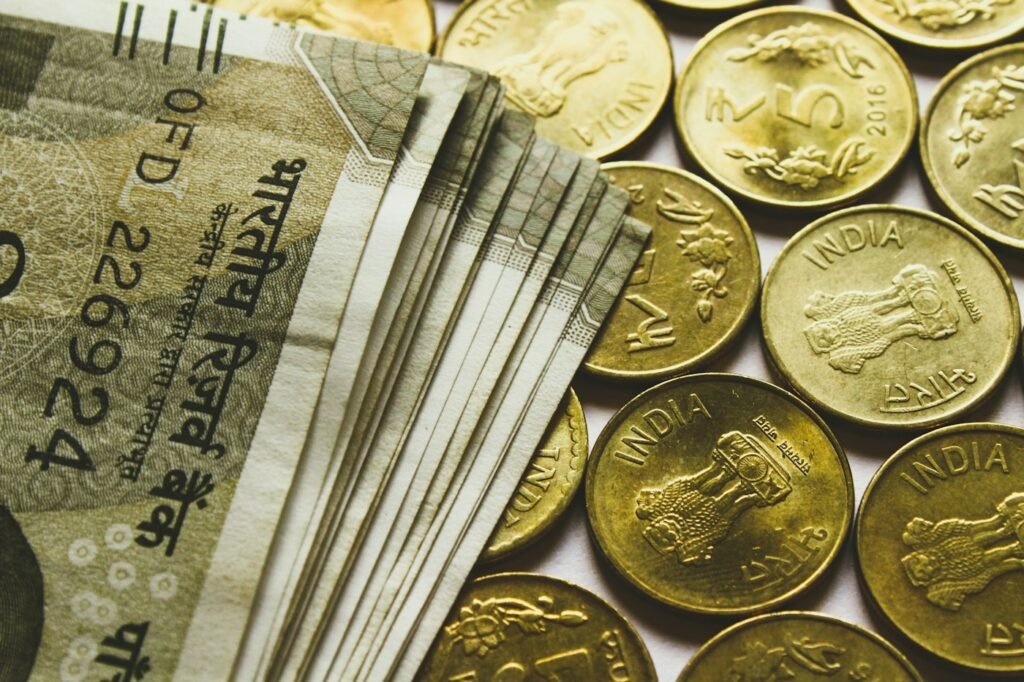
What Maintenance and Alimony Mean
Maintenance is a periodic payment for the support of a dependent family member, covering food, shelter, clothing, education and medical needs. Alimony usually refers to the amount payable to a spouse in matrimonial proceedings, either during the case or on divorce, and may be periodic or a lump sum. Several laws provide these remedies, and a person may have more than one route available.
Maintenance under Section 144 of the BNSS
From 1 July 2024, Section 144 of the Bharatiya Nagarik Suraksha Sanhita, 2023 (BNSS) replaced Section 125 of the Code of Criminal Procedure, 1973. Applications filed before that date under Section 125 generally continue under the old provision. The remedy is available, regardless of religion, to:
- a wife (including a divorced wife who has not remarried) who is unable to maintain herself;
- minor children, whether legitimate or not;
- adult children who are unable to maintain themselves because of physical or mental abnormality or injury;
- a father or mother who is unable to maintain themselves.
The Magistrate may grant interim maintenance and proceeding expenses while the application is pending. A wife may be disentitled if, for example, she is living in adultery, refuses without sufficient reason to live with her husband, or they are living separately by mutual consent. In Mohd. Abdul Samad v. State of Telangana (2024), the Supreme Court held that a divorced Muslim woman may also seek maintenance under this secular provision. An order can later be altered under Section 146 BNSS if circumstances change.
Maintenance under Personal and Other Laws
- Hindu Marriage Act, 1955: interim maintenance and litigation expenses during matrimonial proceedings (Section 24), and permanent alimony on or after a decree (Section 25). Either spouse may apply.
- Hindu Adoptions and Maintenance Act, 1956: maintenance of a wife (Section 18), and of children and aged or infirm parents (Section 20).
- Special Marriage Act, 1954: alimony during proceedings and permanent alimony (Sections 36 and 37).
- Muslim Women (Protection of Rights on Divorce) Act, 1986: provision and maintenance for a divorced Muslim woman.
- Protection of Women from Domestic Violence Act, 2005: monetary relief under Section 20 (see our domestic violence remedies page).
Elderly parents and senior citizens may also claim maintenance from children or relatives before the Maintenance Tribunal under the Maintenance and Welfare of Parents and Senior Citizens Act, 2007.
How the Amount Is Usually Assessed
There is no fixed formula. In Rajnesh v. Neha (2020), the Supreme Court issued guidelines for all maintenance proceedings. These include:
- both parties filing an affidavit of disclosure of assets and liabilities;
- considering the status of the parties, the reasonable needs of the claimant and children, the income and liabilities of the person paying, and the standard of living during the marriage;
- taking into account amounts already awarded in other proceedings, so that overlapping orders are adjusted;
- awarding maintenance ordinarily from the date of the application.
Where an amount is agreed as part of a divorce by mutual consent, it is usually recorded in the settlement terms as a one-time payment or instalments.
Enforcement of Maintenance Orders
If a person fails without sufficient cause to comply with an order under Section 144 BNSS, the Magistrate may issue a warrant for recovery of the amount due, and may sentence the person to imprisonment for each month’s unpaid allowance until payment. An application for recovery must generally be made within one year from the date the amount became due. Orders under personal laws are enforced through execution proceedings before the court that passed them.
Where Proceedings Are Filed
Where a Family Court has been established, maintenance claims under the BNSS and personal laws are heard there (see how Family Courts deal with matrimonial matters). Otherwise, applications under the BNSS are filed before the Judicial Magistrate, and claims under personal laws before the competent civil court. A claim under Section 144 BNSS may be filed where the person claiming resides, among other places.
Documents That Are Usually Relevant
- marriage certificate and proof of the relationship;
- birth certificates of children and school fee receipts;
- salary slips, income-tax returns, bank statements and property details of both parties;
- evidence of regular expenses, medical costs and liabilities;
- any earlier maintenance or interim orders.
Please do not send these documents through the website form.
Frequently Asked Questions
Which provision replaced Section 125 CrPC?
Section 144 of the Bharatiya Nagarik Suraksha Sanhita, 2023 replaced Section 125 CrPC from 1 July 2024. Applications filed earlier under Section 125 generally continue under that provision.
Can a husband claim maintenance from his wife?
Under Sections 24 and 25 of the Hindu Marriage Act, either spouse may claim interim maintenance or permanent alimony. Section 144 BNSS, however, provides maintenance only to a wife, children and parents.
Can maintenance be claimed in more than one proceeding?
Yes, separate remedies exist under different laws. Following Rajnesh v. Neha (2020), courts take into account amounts already awarded in other proceedings when fixing maintenance.
Can the amount of maintenance be changed later?
Yes. Where circumstances change, such as a change in income, an application may be made to alter the amount, for example under Section 146 BNSS or the relevant personal law.
From when is maintenance usually payable?
The Supreme Court in Rajnesh v. Neha held that maintenance should ordinarily be awarded from the date of the application, although the court decides each case on its facts.
Need Guidance on a Maintenance Claim?
If you would like to discuss a claim for maintenance or alimony, or a response to one, you may submit a brief enquiry or call the office. Please share only basic details. The availability and scope of assistance are confirmed after the enquiry is reviewed.
Enquiry
Enquire About a Maintenance Matter
Share basic details only. Please do not send confidential documents or time-sensitive material through this form. Submitting an enquiry does not by itself create an advocate–client relationship.
- +91 96370 04045
- elitelegalservicesbeed@gmail.com
- Bharat Nagar, Balepir, Nagar Road, Beed 431122, Maharashtra
Related
Related Practice Areas
This page provides general information about Indian law for educational purposes. It is not legal advice on any specific matter, does not by itself create an advocate–client relationship, and does not suggest any particular outcome. Laws and procedures change and their application depends on the facts. Please read our Website Disclaimer, or contact the office with a general enquiry.