
Home → Areas of Practice → Property & Documentation → Real Estate
Property & Documentation
Real Estate: Property Transactions, Title and Land Records
Buying or selling a flat, plot or agricultural land is often one of the most significant financial decisions a family or business makes. This page explains, in general terms, the laws that apply to real estate in Maharashtra, how title is usually verified, the protections available when buying from a developer, and the issues that commonly lead to property disputes.
What This Area Covers
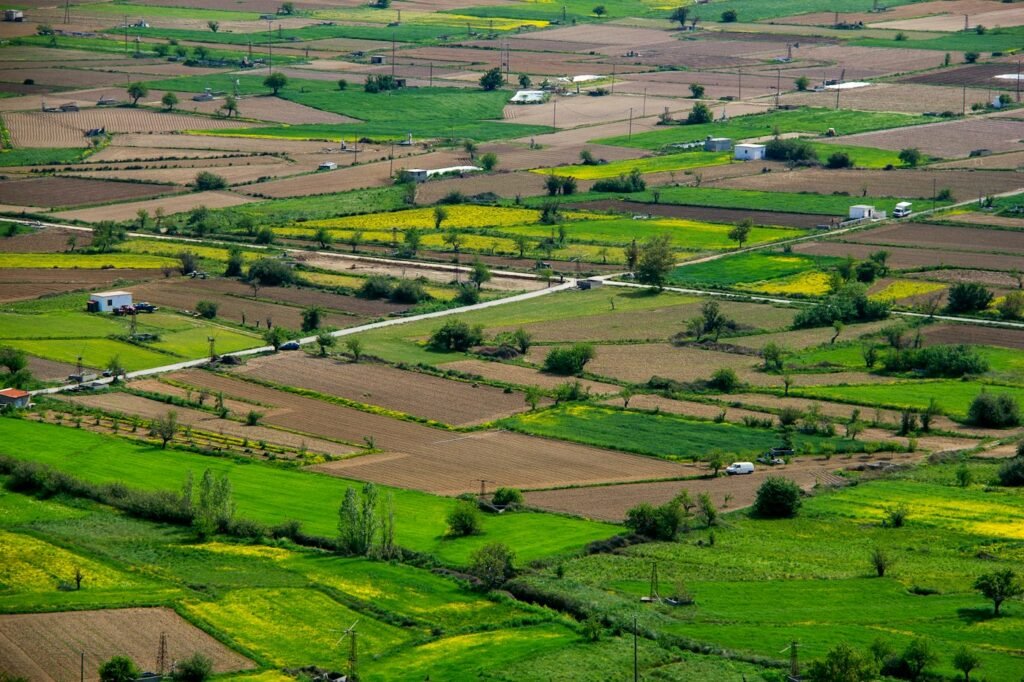
Real estate matters include the purchase, sale, gift, lease and development of land and buildings, verification of ownership, land records, dealings with developers and property disputes. The main laws include:
- the Transfer of Property Act, 1882, which governs sales, mortgages, leases and gifts of immovable property;
- the Registration Act, 1908 and the Maharashtra Stamp Act, which govern registration and stamp duty;
- the Real Estate (Regulation and Development) Act, 2016 (RERA), administered in the State by the Maharashtra Real Estate Regulatory Authority (MahaRERA);
- the Maharashtra Land Revenue Code, 1966, which governs land revenue and the record of rights;
- the Maharashtra Tenancy and Agricultural Lands Act, 1948 and the Maharashtra Prevention of Fragmentation and Consolidation of Holdings Act, 1947, which affect agricultural land; and
- the Maharashtra Ownership Flats Act, 1963, which continues to apply to flat purchases to the extent not inconsistent with RERA.
Preparation of the documents themselves is covered under Drafting and Conveyancing.
Verifying Title Before a Purchase
Title verification aims to confirm that the seller has a clear and marketable right to sell, and that the property is free from undisclosed claims. It commonly involves:
- reviewing the chain of title documents, such as earlier sale deeds, partition deeds, wills and succession records, over a reasonable period;
- examining the 7/12 extract and mutation entries for agricultural land, or the property card in city survey areas, to check the recorded holders, area and any encumbrances or remarks;
- searching the records of the Sub-Registrar’s office for registered transactions affecting the property;
- checking for mortgages and charges, including records maintained by CERSAI for security interests;
- checking the tenure of the land, as some categories of land require permission from the Collector before transfer;
- verifying approvals such as non-agricultural permission, layout and building permissions and the occupancy certificate; and
- checking for pending litigation, unpaid taxes and society or association dues.
Agricultural Land: Additional Points
Transactions in agricultural land in Maharashtra are subject to specific restrictions:
- Under the Maharashtra Tenancy and Agricultural Lands Act, 1948, transfers of agricultural land to persons who are not agriculturists are restricted, subject to exceptions, including a route for purchase for bona fide industrial use. Amendments to the Act that came into effect on 15 April 2026 changed the conditions and charges for that route.
- The Fragmentation Act regulates transfers that create holdings smaller than the standard area. Amendments made in 2025 relaxed these restrictions for designated areas, such as land within municipal limits, and regularised certain earlier transactions, subject to conditions.
- After a transaction, the change in ownership is recorded in the record of rights through a mutation entry under the Maharashtra Land Revenue Code, after notice to interested persons.
Because these rules change and depend on the specific land, they should be checked for each transaction.
Buying From a Developer: RERA
RERA requires most real estate projects, including projects on land exceeding five hundred square metres or with more than eight apartments, to be registered with the authority before they are advertised or sold, subject to exceptions in the Act. Key protections include:
- a developer may not accept more than ten per cent of the cost of the apartment as an advance before entering into a registered agreement for sale (Section 13);
- project details, approvals and progress are disclosed on the MahaRERA website;
- if the developer fails to give possession as agreed, the allottee may be entitled to a refund with interest or, if the allottee chooses to continue, interest for every month of delay (Section 18); and
- complaints may be filed before MahaRERA under Section 31, with an appeal to the Maharashtra Real Estate Appellate Tribunal ordinarily within sixty days (Section 44).
Common Property Disputes
- Disputes about title, partition of family property and shares of legal heirs.
- Boundary disputes and encroachment.
- Suits for specific performance of an agreement to sell, or for possession.
- Delay or defects in flats purchased from developers.
- Disputes with co-operative housing societies about membership or transfer (see Co-operative Sector).
Civil remedies and limitation periods for such disputes are discussed under Litigation.
Costs and Taxes to Plan For
A purchaser typically pays stamp duty on the conveyance, calculated with reference to the consideration or the market value under the Annual Statement of Rates (commonly called the ready reckoner), whichever is higher, along with registration fees. Tax deduction at source may apply on purchase of immovable property above the threshold specified under income tax law. Society transfer charges, outstanding property tax and maintenance dues should also be checked.
Documents and Information That Are Usually Relevant
- Title deeds and the chain of earlier documents.
- 7/12 extracts, mutation entries or property card.
- Approvals, plans, occupancy certificate and RERA registration details, where applicable.
- Tax receipts, society or association records and any loan or mortgage documents.
- The draft agreement or any agreement already signed.
Please do not send these documents through the website form.
Frequently Asked Questions
What is a 7/12 extract?
It is an extract from the record of rights maintained under the Maharashtra Land Revenue Code, showing details such as the holders of agricultural land, area, tenure and certain encumbrances. It is an important document but is not by itself conclusive proof of title.
How far back should title be checked?
Practice varies, but a review of title documents over a substantial period, often around thirty years, together with current revenue and registration records, is common. The appropriate scope depends on the property.
Can a non-agriculturist buy agricultural land in Maharashtra?
Transfers to non-agriculturists are restricted under the Maharashtra Tenancy and Agricultural Lands Act, 1948, subject to specified exceptions and conditions, including for bona fide industrial use. The position should be checked for each case.
What can a buyer do if a developer delays possession?
Under Section 18 of RERA, the allottee may be entitled to withdraw and seek a refund with interest, or to continue and receive interest for the delay. A complaint may be filed before MahaRERA.
Is an agreement to sell enough to transfer ownership?
No. An agreement to sell does not by itself transfer ownership. Ownership of immovable property is transferred by a registered conveyance, such as a sale deed.
Planning a Property Transaction?
If you would like general information about verifying title, a developer purchase or a property dispute, you may submit a brief enquiry or call the office. Please share only basic details. The availability and scope of assistance are confirmed after the enquiry is reviewed.
Enquiry
Enquire About a Property Matter
Share basic details only. Please do not send confidential documents or time-sensitive material through this form. Submitting an enquiry does not by itself create an advocate–client relationship.
- +91 96370 04045
- elitelegalservicesbeed@gmail.com
- Bharat Nagar, Balepir, Nagar Road, Beed 431122, Maharashtra
Related
Related Practice Areas
Drafting and Conveyancing
Sale deeds, gift deeds, wills, leave and licence agreements, stamp duty and registration.
Litigation
Civil remedies such as suits for possession, partition and specific performance.
Co-operative Sector
Co-operative societies, housing societies, disputes and the Co-operative Court.
This page provides general information about Indian law for educational purposes. It is not legal advice on any specific matter, does not by itself create an advocate–client relationship, and does not suggest any particular outcome. Laws and procedures change and their application depends on the facts. Please read our Website Disclaimer, or contact the office with a general enquiry.